Locks explained
Do I need BS 3621 locks for insurance?
What most UK home insurers ask for, and how to check your lock before you claim.
What most UK home insurers ask for, and how to check your lock before you claim.
Many UK home insurance policies have a lock clause. It usually says that final exit doors must be fitted with a lock to a certain standard, and that the locks must be used when the home is empty. If they are not, a claim for theft can be reduced or refused.
What policies usually ask for
- Wooden front and back doors: a 5 lever mortice deadlock to BS 3621, or a nightlatch to BS 3621.
- uPVC and composite doors: a multipoint lock that locks with a key, often with a TS007 3-star or Sold Secure Diamond cylinder.
- Patio and French doors: a multipoint lock, or key-operated bolts top and bottom.
Every policy is different. Read the security section of your own policy, or ask your insurer, so you know exactly what they need.
What a final exit door is
It is the door you use to leave the home and lock behind you, usually the front door. Some policies count every outside door, so check the back door too.
How to check your lock
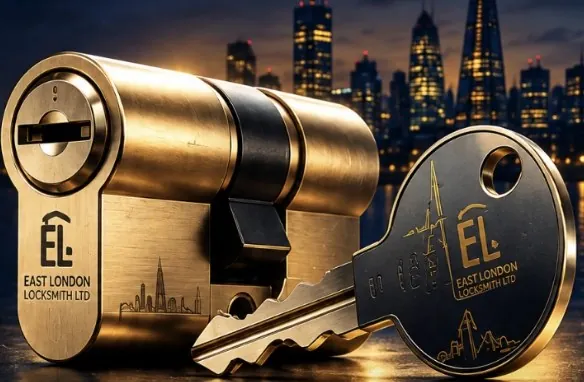
On a wooden door, look at the faceplate on the edge of the door for the Kitemark and “BS 3621”. On a uPVC or composite door, look at the end of the cylinder for stars, “TS007” or a Sold Secure mark. Our guide to checking a kitemark has more detail.
If your locks do not meet the standard
Upgrading is usually quick. A BS 3621 mortice deadlock or a 3-star anti-snap cylinder can normally be fitted in one visit. Keep the invoice, as it shows what was fitted and when.
Need a lock that meets your policy?
We fit BS 3621 mortice locks and 3-star anti-snap cylinders across East London, with the price agreed first.